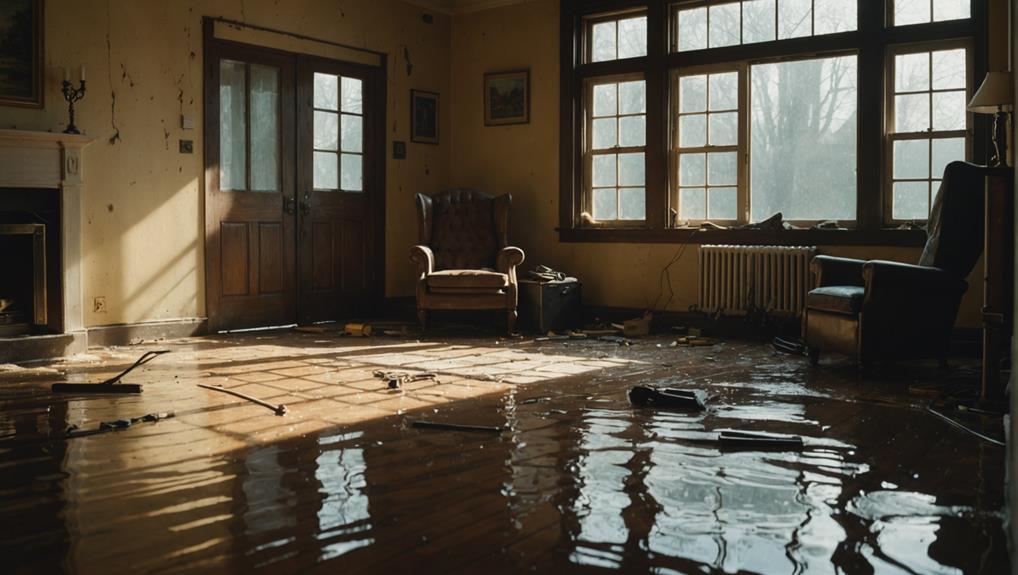
Dealing with persistent musty odors after rain in your Boerne home? That unpleasant smell isn't just annoying—it's a sign of active mold growth that threatens your family's health and your property's value. Our certified mold odor removal specialists serve Boerne and surrounding Kendall County with 24/7 emergency service, advanced odor elimination technology, and guaranteed results. Unlike DIY solutions that merely mask the problem, we locate and permanently eliminate the mold source causing those stubborn odors. With Boerne's unique limestone foundations, Hill Country humidity, and proximity to Cibolo Creek creating perfect mold conditions, professional expertise matters. Call (888) 959-1198) now for your free inspection and breathe easier knowing your home is in expert hands.
Understanding Mold Odors in Boerne Homes
Boerne's unique climate and geography create ideal conditions for mold growth and persistent odors. Our Texas Hill Country location experiences an average of 34 inches of annual rainfall, with humidity levels fluctuating between 40-85% throughout the year. Combined with Boerne's limestone karst topography, which allows groundwater seepage through foundations, these factors make mold odor problems particularly common in our community.
What Causes That Musty Smell?
The musty odor you smell isn't actually the mold itself—it's MVOCs (microbial volatile organic compounds) released by active mold colonies. These compounds are byproducts of mold metabolism and can persist even when visible mold appears minimal. This is why surface cleaning often fails to eliminate odors; hidden mold continues producing these compounds behind walls, in crawlspaces, or within HVAC systems.
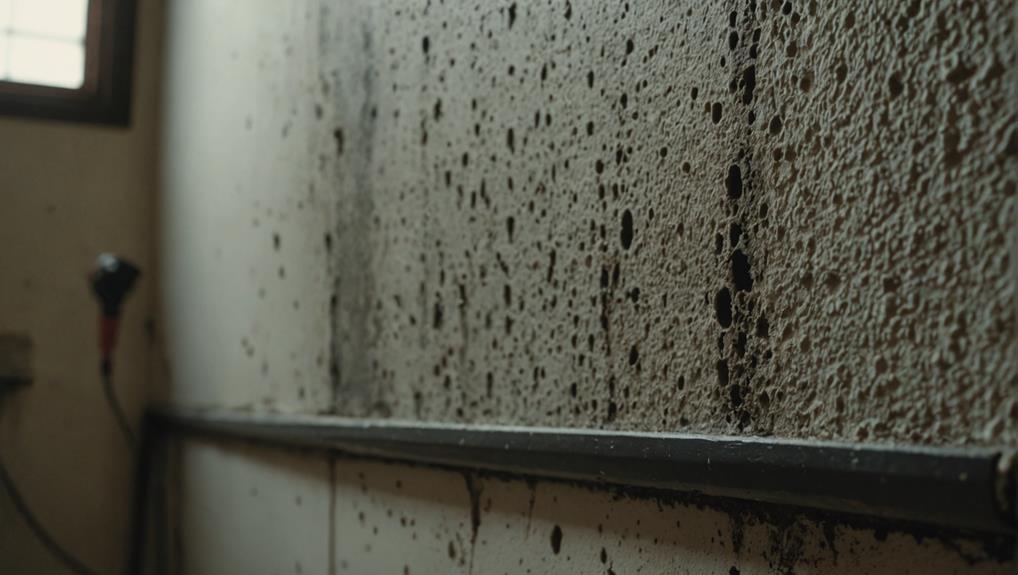
The distinction between surface mold and hidden growth is critical. You might see small patches of mold on bathroom tiles or window sills, but the persistent odor indicates much larger colonies growing out of sight. In Boerne homes, hidden mold commonly develops in:
- Foundation walls affected by limestone seepage
- Crawlspaces with poor ventilation
- Attics during our hot, humid summers
- Behind drywall near plumbing leaks
- Within HVAC systems and ductwork
Common Mold Odor Triggers in Boerne Properties
Boerne's geological and climatic characteristics create specific mold odor challenges not found in other areas:
- Limestone Foundation Seepage: Boerne sits on karst limestone terrain, which is naturally porous. Water penetrates through foundations, creating constant moisture in basements and crawlspaces—prime locations for mold growth.
- Cibolo Creek Flooding: Properties near Cibolo Creek face periodic flooding risks, especially during Hill Country flash floods. Even minor water intrusion can trigger extensive mold growth within 24-48 hours.
- Poor Attic Ventilation: With August temperatures averaging 94°F, inadequately ventilated attics become moisture traps. Hot air holds more moisture, which condenses on cooler surfaces, feeding mold growth.
- HVAC Condensation: Air conditioning systems work overtime in Boerne's heat, producing significant condensation. Improperly maintained drain pans and ductwork become mold breeding grounds.
- Seasonal Humidity Swings: Boerne's humidity fluctuates dramatically between seasons. These changes cause condensation on walls, windows, and pipes, creating perfect conditions for mold colonization.
Our Comprehensive Mold Odor Removal Process
We follow IICRC-certified methods to ensure complete mold odor elimination, not just temporary masking. Our systematic approach addresses both the mold source and the odors it produces, guaranteeing permanent results.
Inspection & Detection
Advanced testing to locate all mold sources
Containment
Prevent spore spread during removal
Mold Removal
Safe extraction and disposal
Odor Elimination
Advanced deodorization techniques
Moisture Control
Fix underlying causes
Verification
Air quality testing confirms success
Step 1: Complete Inspection & Odor Source Detection
Our certified technicians use advanced technology to identify all mold sources, including hidden growth:
- Thermal Imaging: Detects moisture behind walls and in ceilings without destructive testing
- Moisture Meters: Measures moisture content in building materials to identify problem areas
- Air Quality Testing: Determines mold spore concentrations and types present
- Visual Inspection: Examines crawlspaces, attics, and other hidden areas
We document all findings with photographs and detailed reports, essential for insurance claims and tracking remediation progress.

Step 2: Mold Containment & Air Filtration
Before removal begins, we establish strict containment protocols to prevent mold spores from spreading throughout your property:
- Physical barriers using polyethylene sheeting seal off affected areas
- Negative air pressure systems prevent spore migration
- HEPA air filtration continuously scrubs the air during remediation
- Decontamination chambers allow safe entry and exit from work zones
Step 3: Mold Removal & Antimicrobial Treatment
We safely remove all mold-contaminated materials and treat affected surfaces:
- Porous Materials: Heavily contaminated drywall, insulation, and carpeting are removed and properly disposed of
- Non-Porous Surfaces: Hard surfaces are thoroughly cleaned with EPA-registered antimicrobial solutions
- Structural Cleaning: Wooden framing, concrete, and other structural elements receive specialized treatment
- HEPA Vacuuming: Removes microscopic mold particles from all surfaces
Step 4: Advanced Odor Elimination Techniques
Removing mold isn't enough—we must eliminate the odor-causing compounds. Our advanced deodorization methods include:
- Thermal Fogging: Heat-activated deodorizers penetrate porous materials to neutralize embedded odors
- Hydroxyl Generators: Safe for occupied spaces, these devices break down odor molecules at the molecular level
- Ozone Treatment: When appropriate (unoccupied spaces), ozone effectively destroys stubborn organic odors
- Enzyme Treatments: Biological enzymes digest organic materials causing odors
- Deep Cleaning: All surfaces receive thorough cleaning to remove mold residue
Step 5: Moisture Control & Prevention
Permanent odor elimination requires addressing underlying moisture problems. We identify and correct:
- Plumbing leaks in walls or under foundations
- Foundation seepage through limestone
- Poor drainage around your property
- Inadequate ventilation in attics and crawlspaces
- HVAC condensation issues
- High indoor humidity levels
For Boerne homes, we often recommend foundation sealing, improved drainage systems, and whole-house dehumidification to combat our challenging climate.

Step 6: Final Air Quality Testing & Verification
We don't consider the job complete until independent testing confirms your home is safe:
- Post-remediation air quality testing
- Spore count verification below outdoor levels
- Moisture level confirmation in all affected areas
- Clearance documentation for insurance and records
- Comprehensive warranty on all remediation work
Why Choose Professional Odor Removal Over DIY Methods
Many Boerne homeowners attempt DIY mold odor removal using bleach, vinegar, or store-bought products. Unfortunately, these approaches rarely succeed and can actually worsen the problem.
The Hidden Dangers of DIY Mold Odor Solutions
Why Bleach Doesn't Work: While bleach kills surface mold on non-porous materials, it cannot penetrate porous surfaces like drywall or wood where mold roots (hyphae) grow deep. The mold quickly returns, and the odor persists. Additionally, mixing bleach with other cleaners creates dangerous toxic gases.
Health Risks of Amateur Removal: Disturbing mold colonies without proper containment releases millions of spores into your home's air. Without HEPA filtration and negative air pressure, you're exposing your family to significantly higher spore concentrations than before treatment began. This can trigger severe allergic reactions, asthma attacks, and respiratory problems.
Spreading Contamination: DIY attempts often spread mold to previously unaffected areas. Spores travel through HVAC systems, stick to clothing and tools, and settle in new locations where they'll establish colonies within 24-48 hours if moisture is present.
Incomplete Removal: Without professional inspection equipment, you can't identify all mold sources. Hidden colonies behind walls, in ductwork, or under flooring continue producing odors and health hazards even after visible mold is cleaned.
Benefits of Certified Professional Service
IICRC Certification Matters: Our technicians hold Institute of Inspection Cleaning and Restoration Certification (IICRC), the industry's gold standard. This training covers proper assessment, containment, removal, and verification procedures that ensure complete remediation.
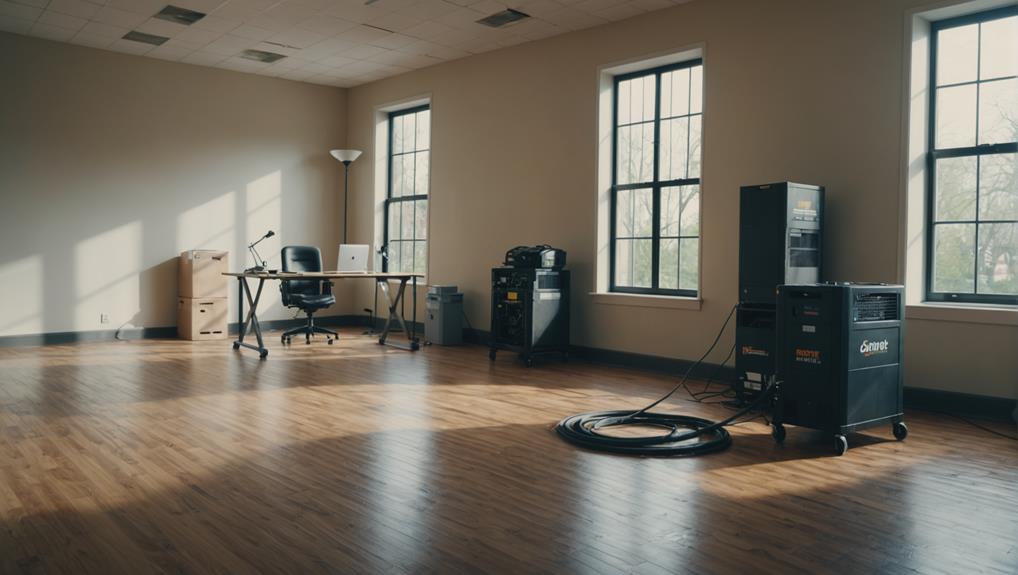
Specialized Equipment Access: Professional-grade tools make the difference between temporary fixes and permanent solutions:
- Thermal imaging cameras ($15,000-$50,000 investment)
- Industrial HEPA air scrubbers
- Commercial-grade dehumidifiers and air movers
- Negative air machines creating controlled work environments
- Moisture meters and hygrometers
- Thermal foggers and hydroxyl generators
Guaranteed Results: We stand behind our work with comprehensive warranties. If odors return within the warranty period, we return at no charge to address the issue. DIY attempts offer no such guarantee.
Insurance Claim Assistance: Navigating insurance claims for mold damage is complex. We provide detailed documentation, work directly with adjusters, and often secure coverage for services homeowners didn't realize were covered. Our expertise maximizes your claim benefits while minimizing out-of-pocket costs.
Time and Cost Savings: Professional remediation typically costs $1,500-$3,000 for moderate projects. Failed DIY attempts that worsen the problem can lead to $10,000+ in repairs when structural damage occurs. Factor in your time, equipment rental, and health risks—professional service is the economical choice.
Mold Odor Removal Cost in Boerne, TX
We believe in transparent pricing. While every project is unique, understanding typical costs helps you budget appropriately and recognize fair market rates in Boerne.
Factors That Influence Pricing
Size of Affected Area
Small (under 10 sq ft): $500-$1,500
Medium (10-30 sq ft): $1,500-$3,000
Large (over 30 sq ft): $3,000-$6,000+
Severity of Contamination
Surface mold requires less extensive treatment than deep colonization that has penetrated building materials or structural elements.
Location & Accessibility
Crawlspace remediation costs more than bathroom treatment due to difficult access. Attic work requires specialized equipment and safety measures.
Type of Mold
Toxic black mold (Stachybotrys) requires more stringent containment and safety protocols than common molds, increasing labor and equipment costs.
Structural Damage
Replacing contaminated drywall, insulation, or flooring adds material and labor costs beyond basic cleaning.
Odor Treatment Intensity
Severe odors embedded in porous materials require additional thermal fogging, ozone treatment, or hydroxyl generation.
Average Costs for Boerne Homeowners
Based on local Boerne and Kendall County market rates:
- Small Projects ($500-$1,500): Limited mold growth in accessible areas like bathrooms or small sections of wall. Includes inspection, removal, cleaning, and basic odor treatment.
- Medium Projects ($1,500-$3,000): Multiple affected areas or single larger area requiring material removal. Includes containment, HEPA filtration, antimicrobial treatment, and advanced odor elimination.
- Large Projects ($3,000-$6,000+): Extensive contamination affecting multiple rooms, crawlspaces, or structural elements. May require significant reconstruction after remediation.
These prices align with nearby areas including Castroville ($1,500-$6,000 average) and San Antonio metro rates. Boerne's higher median household income ($86,838) supports premium service quality, which we deliver through superior training, equipment, and customer service.
Free Inspections: We provide complimentary assessments with detailed scope-of-work proposals and firm price quotes. No surprises, no hidden fees.
Insurance Coverage for Mold Odor Removal
Many Boerne homeowners don't realize their insurance may cover mold remediation under specific circumstances:
Typically Covered:
- Mold resulting from sudden pipe bursts or appliance failures
- Storm-related water intrusion and subsequent mold growth
- Mold from covered roof leaks
- Cibolo Creek flooding if you have flood insurance
Usually Not Covered:
- Long-term maintenance neglect (slow leaks, poor ventilation)
- Condensation-related mold from inadequate climate control
- Mold in properties vacant for extended periods
Our Insurance Assistance: We work directly with insurance adjusters, providing required documentation, detailed estimates, and expert testimony when needed. Our experience navigating claims processes often secures coverage that homeowners pursuing claims independently might miss. We also offer direct billing arrangements when your policy allows.
Boerne's Unique Mold & Odor Challenges
Understanding why mold odor problems are particularly common in Boerne helps homeowners take preventive action and recognize when professional help is needed.
Climate & Geography Impact
Boerne's location in the Texas Hill Country creates perfect conditions for mold growth:
- Rainfall: 34 inches annually, concentrated in spring and fall, creates periodic moisture spikes
- Humidity: Fluctuates between 40-85% throughout the year, with highest levels April-October
- Temperature: August highs average 94°F while January lows hit upper 40s, creating condensation on surfaces during temperature swings
- Limestone Karst Terrain: Porous limestone allows groundwater infiltration through foundations, creating persistent moisture problems unique to our area
- Cibolo Creek: Properties near the creek face elevated flood risk during Hill Country flash floods, which can dump several inches of rain in hours
This combination of factors means Boerne homes battle mold more aggressively than properties in drier climates or areas with different geological foundations.
Common Problem Areas in Boerne Homes
Basements & Crawlspaces: Groundwater seeps through limestone foundations, creating damp conditions year-round. Poor ventilation compounds the problem, making these spaces mold magnets. Many older Boerne homes have minimal crawlspace vapor barriers, allowing moisture to rise into flooring and walls.
Attics: During Boerne's hot summers, inadequately ventilated attics trap heat and moisture. Hot air holds more water vapor, which condenses on cooler roof decking and framing at night, feeding mold colonies. Proper soffit, ridge, and gable ventilation is essential but often lacking.
Bathrooms: High humidity from showers and baths, combined with occasional ventilation fan failures, creates ideal mold habitats. Mold grows behind tiles, in wall cavities around tubs, and in ceiling materials above showers.
HVAC Systems: Air conditioners working overtime in Boerne's heat produce significant condensation. Drain pan overflow, condensate line clogs, and ductwork moisture accumulation all support mold growth. Once mold establishes in ductwork, it spreads spores throughout your entire home every time the system runs.
Properties Near Cibolo Creek: Homes within the flood plain face heightened risk during spring storms and hurricane remnants. Even minor flooding that homeowners clean up themselves often leads to hidden mold growth in wall cavities, under flooring, and in insulation.
Seasonal Mold Odor Patterns
Boerne homeowners often notice odor problems intensify during specific times of year:
Spring (March-May): Heavy rainfall and warming temperatures create peak mold growth periods. Odors intensify as dormant mold colonies activate and reproduce.
Summer (June-August): While drier than spring, extreme heat creates HVAC condensation issues. Air conditioners running constantly produce moisture that can overwhelm drain systems, leading to standing water and rapid mold growth.
Fall (September-October): Hurricane season brings storm remnants to the Hill Country. Increased rainfall and high humidity create a second peak mold growth period.
Winter (November-February): Temperature fluctuations cause condensation on windows, pipes, and walls as heated indoor air contacts cool surfaces. This seasonal pattern feeds mold in areas with poor insulation or air circulation.
Types of Mold Causing Odors in Boerne Properties
Understanding which mold species produce the strongest odors and pose the greatest health risks helps prioritize remediation urgency.
Stachybotrys (Black Mold)
Appearance: Dark green to black, slimy texture when wet
Odor: Strong, persistent musty smell
Health Risks: Most dangerous common mold. Produces mycotoxins causing respiratory problems, chronic fatigue, headaches, and cognitive issues.
Common Locations: Water-damaged drywall, chronically wet materials, areas with long-term moisture exposure
Aspergillus
Appearance: Green, brown, black, yellow, or white depending on species
Odor: Moderate musty smell
Health Risks: Most common mold in Boerne. Causes allergic reactions, asthma, respiratory infections. Some species produce carcinogenic aflatoxins.
Common Locations: Thrives in variable humidity—walls, insulation, paper products
Penicillium
Appearance: Blue-green velvety texture
Odor: Strong musty or earthy smell
Health Risks: Allergenic, causes respiratory issues, skin irritation
Common Locations: Water-damaged materials, spreads rapidly through air
Chaetomium
Appearance: White cotton-like growth, darkens to gray-brown
Odor: Very strong musty, earthy odor
Health Risks: Allergenic, can produce mycotoxins, causes skin and nail infections
Common Locations: Follows water damage, loves damp drywall and wallpaper
Professional identification through air quality testing determines which mold species are present, allowing us to tailor remediation protocols to the specific threats in your home.
Health Risks of Mold Odor Exposure
The musty odor you smell isn't just unpleasant—it's a warning sign of health hazards affecting your family. Mold produces numerous compounds that impact human health, with effects ranging from mild irritation to serious illness.
Immediate Health Symptoms
Most people experience acute symptoms within hours to days of mold odor exposure:
Allergic Reactions
Sneezing, runny or stuffy nose, itchy or watery eyes, skin rashes, and throat irritation. These symptoms often worsen at home and improve when away.
Respiratory Issues
Coughing, wheezing, shortness of breath, chest tightness. Individuals with asthma often experience severe attacks triggered by mold exposure.
Headaches & Fatigue
Persistent headaches, difficulty concentrating, unusual tiredness. These symptoms are often dismissed as stress but may indicate mold toxicity.
Skin Irritation
Rashes, hives, dermatitis, particularly on exposed skin. Some people develop sensitivity after repeated exposure.
Long-Term Exposure Concerns
Chronic mold exposure creates cumulative health impacts that worsen over time:
Respiratory System Damage: Long-term inhalation of mold spores and mycotoxins can cause permanent lung damage, chronic bronchitis, and hypersensitivity pneumonitis. Studies show 15% of homes in humid climates like Boerne have significant mold problems, putting thousands of residents at risk.
Asthma Development: Children growing up in mold-contaminated homes have significantly higher rates of asthma development. Existing asthma becomes more severe and harder to control.
Immune System Impacts: Constant mold exposure weakens immune function, increasing susceptibility to infections and illnesses. Some people develop severe mold allergies where none previously existed.
Neurological Effects: Mycotoxins from toxic molds can cause cognitive problems including memory issues, brain fog, difficulty concentrating, and mood changes. These symptoms are particularly associated with black mold (Stachybotrys) exposure.
High-Risk Groups
Certain individuals face greater danger from mold odor exposure:
- Children: Developing immune and respiratory systems make children especially vulnerable. Mold exposure increases asthma risk and can impact cognitive development.
- Elderly: Age-related immune system decline reduces ability to fight mold-related infections and recover from exposure effects.
- Immunocompromised Individuals: People with HIV/AIDS, cancer patients undergoing chemotherapy, organ transplant recipients, and those on immunosuppressant medications face life-threatening risks from certain mold species.
- Asthma Sufferers: Mold is a primary asthma trigger. Exposure can cause severe attacks requiring emergency treatment.
- Pregnant Women: Mycotoxin exposure during pregnancy may pose risks to fetal development.
If anyone in your household falls into these high-risk categories, immediate professional mold odor removal is critical for their health and safety.
Signs You Need Professional Mold Odor Removal
Recognizing warning signs early prevents extensive damage and protects your family's health. Schedule professional inspection if you notice any of these indicators:
Persistent Musty Smells
The most obvious sign—that characteristic musty, earthy odor that won't go away despite cleaning efforts. Key characteristics indicating professional help is needed:
- Odor intensifies after rain or humid weather
- Smell is stronger in certain rooms or areas
- Different from typical household odors (cooking, pets, trash)
- Returns shortly after attempts to eliminate it
- Noticeable when entering home after being away
Visible Mold Growth
Any visible mold warrants professional inspection, regardless of size. Common locations in Boerne homes:
- Dark spots on walls, ceilings, or corners
- Discoloration around windows or doors
- Fuzzy or slimy growth in bathrooms
- Staining on basement or crawlspace walls
- Green, black, or white patches on any surface
Remember: Visible mold is often just the tip of the iceberg. Larger colonies likely exist out of sight.
Recent Water Damage
Any water intrusion event creates mold risk within 24-48 hours. Boerne-specific concerns include:
- Cibolo Creek flooding
- Plumbing leaks (especially those caught late)
- Roof leaks during storms
- Foundation seepage through limestone
- HVAC drip pan overflow
- Washing machine or water heater failures
- Sewer backups
Even if you cleaned up the water yourself, hidden moisture in walls, floors, or ceilings may be feeding mold growth.
Worsening Allergy Symptoms
Health symptoms that improve when you leave home and return when you're back suggest indoor air quality problems:
- Multiple family members developing similar symptoms
- Symptoms persist despite allergy medications
- New onset of allergies or asthma
- Seasonal allergies that never fully resolve
Preventing Future Mold Odors in Your Boerne Home
After professional remediation, preventing recurrence requires ongoing vigilance and maintenance tailored to Boerne's challenging climate.
Humidity Control Strategies
Maintaining proper humidity levels (30-50%) is your primary defense against mold growth:
- Whole-House Dehumidification: In Boerne's humid climate, portable dehumidifiers struggle to keep up. Consider installing a whole-house dehumidifier connected to your HVAC system. These units automatically maintain ideal humidity regardless of outdoor conditions.
- Proper Ventilation: Run bathroom exhaust fans during and 30 minutes after showers. Ensure kitchen exhaust vents outside (not into attics). Open windows on mild days to promote air circulation.
- Air Conditioning Maintenance: Keep your AC running efficiently during Boerne's hot months. Replace filters monthly during peak use. Schedule annual professional maintenance including drain line cleaning and coil inspection.
- Monitor Humidity Levels: Inexpensive hygrometers (humidity meters) alert you when levels climb above safe ranges. Place them in problem areas like basements and bathrooms.
Foundation & Drainage Management
Boerne's limestone foundations require special attention:
- Foundation Sealing: Professional waterproofing reduces moisture penetration through porous limestone. Interior and exterior sealing options exist depending on your home's construction.
- Proper Grading: Ensure ground slopes away from your home's foundation. Water should drain away from, not toward, your house. This is particularly important given our flash flood potential.
- Gutter Maintenance: Clean gutters twice yearly (spring and fall). Ensure downspouts extend at least 6 feet from foundations. Consider gutter guards to reduce debris accumulation.
- Crawlspace Vapor Barriers: Install heavy-duty polyethylene vapor barriers in crawlspaces to prevent ground moisture from entering. This is essential for homes on limestone foundations.
- Sump Pumps: Properties prone to water accumulation benefit from sump pump installation to actively remove water before it causes problems.
Regular Maintenance & Inspections
Catching problems early prevents major mold issues:
- Annual Professional Inspections: Schedule yearly mold inspections, especially before Boerne's high-humidity seasons. Early detection saves thousands in remediation costs.
- Monthly Self-Inspections: Check basements, crawlspaces, attics, and bathrooms for signs of moisture or mold. Look for water stains, condensation, or musty odors.
- HVAC Maintenance: Replace filters monthly, schedule professional cleaning and inspection annually, and have ductwork cleaned every 3-5 years.
- Plumbing Vigilance: Monitor for leaks under sinks, around toilets, near water heaters, and in utility rooms. Fix leaks immediately—even small drips create mold conditions.
- Roof Inspections: Check attics after storms for signs of roof leaks. Have your roof professionally inspected every few years.
Our Service Areas in the Boerne Region
We proudly serve Boerne and surrounding Kendall County communities with rapid response times and local expertise you can trust.
Communities We Serve
- Boerne (Downtown and all subdivisions)
- Fair Oaks Ranch
- Comfort
- Scenic Loop area
- Boerne Stage Airfield
- Cibolo Creek communities
- Kendall County (all areas)
- Cordillera Ranch
- The Dominion
- Johns Creek
- Sisterdale
- Waring
Our central Boerne location ensures rapid response to emergency calls throughout the region. We understand local building practices, common construction methods, and area-specific mold challenges.
Why Boerne Residents Choose Our Services
IICRC Certified & Texas Licensed
Our technicians hold industry-leading certifications and maintain all required Texas TDLR licenses. Ongoing training ensures we use current best practices and cutting-edge techniques.
24/7 Emergency Response
Mold emergencies don't wait for business hours. We're available around the clock to respond to urgent situations, providing rapid assessment and immediate containment when needed.
Local Expertise & Experience
Years serving Boerne means we understand Hill Country climate challenges, limestone foundation issues, and local building codes. We know what works in our unique environment.
Satisfaction Guarantee
We guarantee complete mold odor elimination. If odors return during our warranty period, we return at no charge to address the issue. Your satisfaction is our priority.
Advanced Technology
We invest in professional-grade equipment that delivers superior results—thermal imaging, industrial HEPA filtration, hydroxyl generators, and commercial dehumidification.
Transparent Pricing
No hidden fees or surprise charges. Free inspections provide detailed scope-of-work and firm quotes. We explain costs clearly so you can make informed decisions.
Frequently Asked Questions About Mold Odor Removal in Boerne
Take Action Today: Schedule Your Free Mold Odor Inspection
Don't let persistent musty odors continue threatening your family's health and your home's value. Our certified technicians are ready to provide fast, professional mold odor removal services tailored to Boerne's unique challenges. We understand Hill Country humidity, limestone foundation issues, and local climate patterns that make mold prevention so critical.
Why Choose Us:
- ✓ Free initial inspections and detailed estimates
- ✓ IICRC certified, experienced technicians
- ✓ Complete containment and safe mold removal
- ✓ Advanced odor elimination technology
- ✓ Insurance claim assistance and direct billing
- ✓ Satisfaction guarantee on all remediation work
- ✓ Local Boerne expertise and rapid response
- ✓ 24/7 emergency service availability
Call now for your free estimate and protect your family today!
Call (888) 959-1198 NowAvailable 24/7 for emergency mold situations • Serving all of Boerne, TX and Kendall County